Luigi Serafini
Luigi Serafini (Rome, 1947) is an internationally renowned Italian artist, architect, and designer, known for an eclectic style that blends surrealism, irony, and metalinguistic research.
His figure is primarily linked to one of the most enigmatic works of the 20th century: the Codex Seraphinianus.
The Codex Seraphinianus: Published in 1981 by Franco Maria Ricci, the Codex is an illustrated encyclopedia of an imaginary world, written entirely in an invented and indecipherable alphabet.
Meaning: The author stated that language has no complete semantic meaning, but aims to recreate in the adult reader the sensation children experience when leafing through books they cannot yet read.
Legacy: The work has become a cult object, admired by intellectuals and artists such as Italo Calvino, Federico Fellini, and Tim Burton.
Career and Collaborations: Serafini has explored various disciplines, always maintaining a visionary approach:
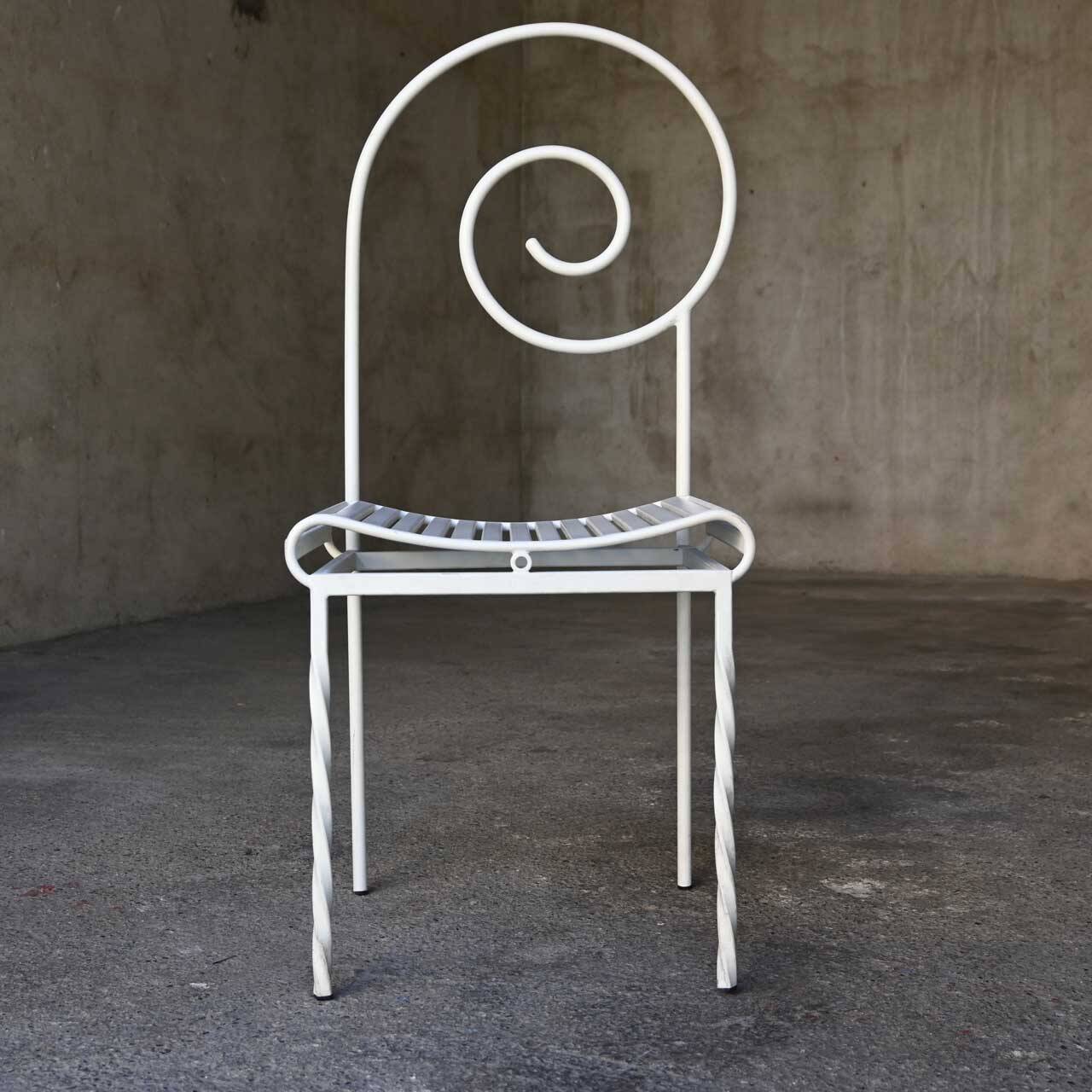
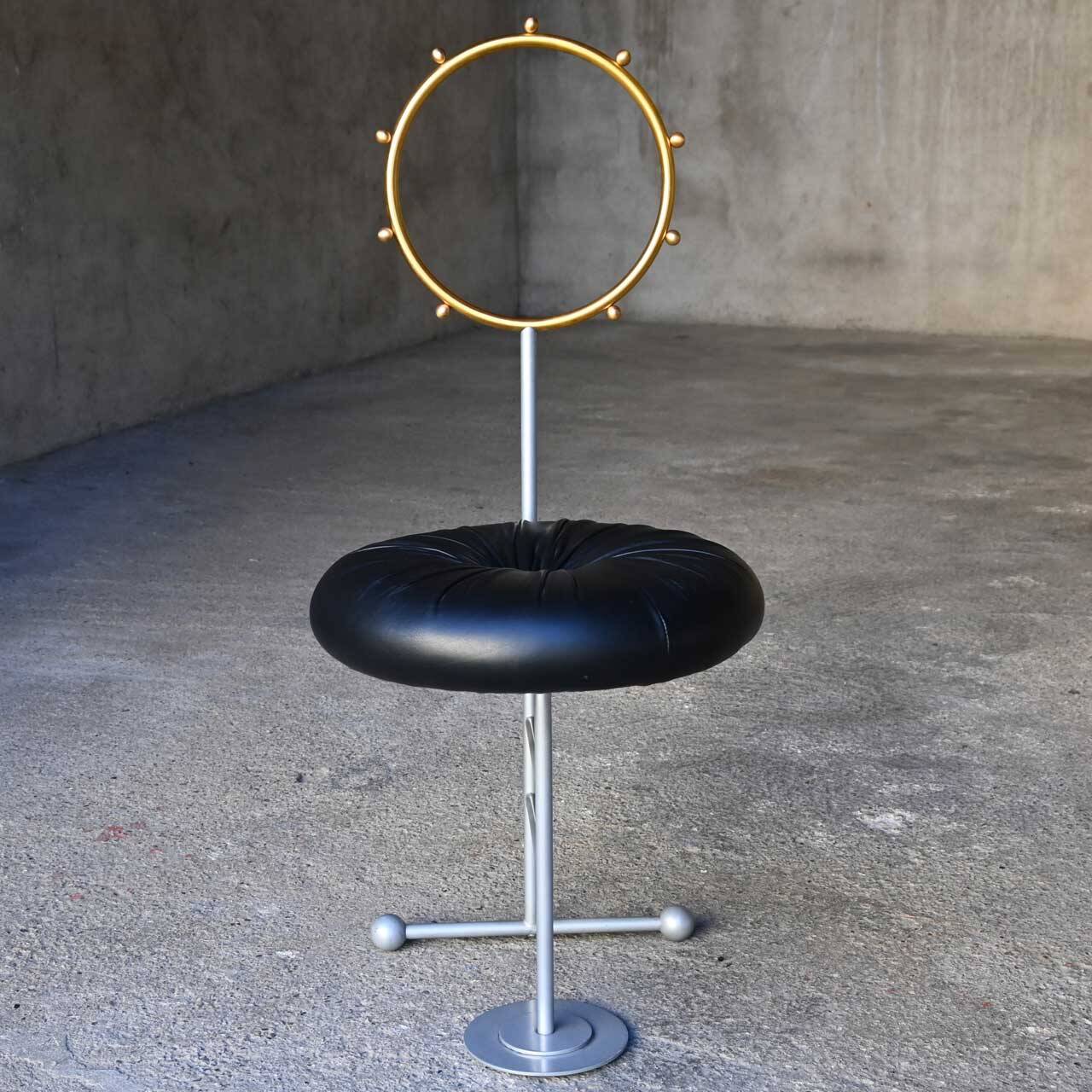
Design: In the 1980s, he came into contact with avant-garde movements (Studio Alchimia and Memphis). He designed iconic objects such as the Suspiral chair, the Sheraton mirror, and lamps for brands such as Artemide, Sawaya & Moroni, and Luceplan.
Film and Entertainment: He collaborated with Federico Fellini, creating the poster for the film La voce della Luna (1990) and designed sets and costumes for the Teatro alla Scala (Jazz Calendar, 1991).
Architecture and Exhibition Design: He designed the “Casa del dottor Fausto” in Civitanova Marche and has curated numerous anthological exhibitions, including the recent “Una casa ontologica” at the MACRO in Rome (2024).
Other Relevant Works: Pulcinellopedia Seraphiniana (1984): A work dedicated to the Pulcinella mask, reinterpreted through his dreamlike style.
RAI Collaborations: He has created theme songs and set designs for historic programs such as Linea Verde and documentaries by Enzo Biagi.
Luigi Serafini currently lives and works between Milan and Rome. His works are held in important international collections, from the PAC in Milan to the McLuhan Program in Toronto.
Luigi Serafini
Luigi Serafini (Rome, 1947) is an internationally renowned Italian artist, architect, and designer, known for an eclectic style that blends surrealism, irony, and metalinguistic research.
His figure is primarily linked to one of the most enigmatic works of the 20th century: the Codex Seraphinianus.
The Codex Seraphinianus: Published in 1981 by Franco Maria Ricci, the Codex is an illustrated encyclopedia of an imaginary world, written entirely in an invented and indecipherable alphabet.
Meaning: The author stated that language has no complete semantic meaning, but aims to recreate in the adult reader the sensation children experience when leafing through books they cannot yet read.
Legacy: The work has become a cult object, admired by intellectuals and artists such as Italo Calvino, Federico Fellini, and Tim Burton.
Career and Collaborations: Serafini has explored various disciplines, always maintaining a visionary approach:
Design: In the 1980s, he came into contact with avant-garde movements (Studio Alchimia and Memphis). He designed iconic objects such as the Suspiral chair, the Sheraton mirror, and lamps for brands such as Artemide, Sawaya & Moroni, and Luceplan.
Film and Entertainment: He collaborated with Federico Fellini, creating the poster for the film La voce della Luna (1990) and designed sets and costumes for the Teatro alla Scala (Jazz Calendar, 1991).
Architecture and Exhibition Design: He designed the “Casa del dottor Fausto” in Civitanova Marche and has curated numerous anthological exhibitions, including the recent “Una casa ontologica” at the MACRO in Rome (2024).
Other Relevant Works: Pulcinellopedia Seraphiniana (1984): A work dedicated to the Pulcinella mask, reinterpreted through his dreamlike style.
RAI Collaborations: He has created theme songs and set designs for historic programs such as Linea Verde and documentaries by Enzo Biagi.
Luigi Serafini currently lives and works between Milan and Rome. His works are held in important international collections, from the PAC in Milan to the McLuhan Program in Toronto.